
- Products
- Industries Served
- Services
- Resources
- About Us
- Blog
- Contact Us
- Products
- Industries Served
- Services
- Resources
- About Us
- Blog
- Contact Us
When crane performance slips, the issue is often electrical rather than mechanical. Inconsistent travel speeds, harsh starts and stops, nuisance faults, or limited feedback from the system all point back to overhead crane controls that no longer match the workload. For operations that rely on precision movement and predictable uptime, control systems shape how safely and efficiently material moves through the facility.
At Ace World Companies, we engineer overhead crane and hoist controls to restore confidence in your daily operations. From new installations to modernization projects, our control systems support real duty cycles, environmental demands, and long-term service expectations.
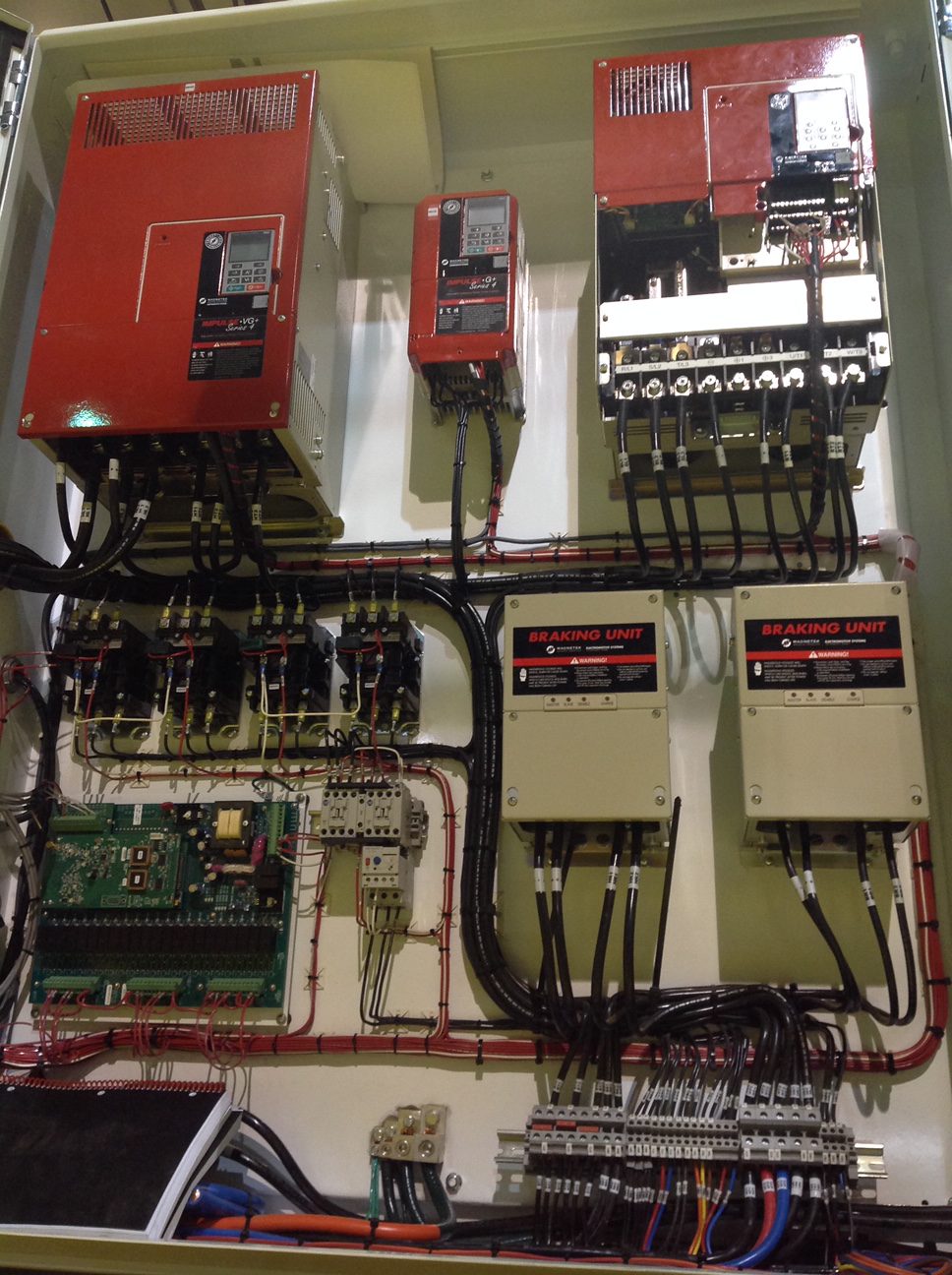
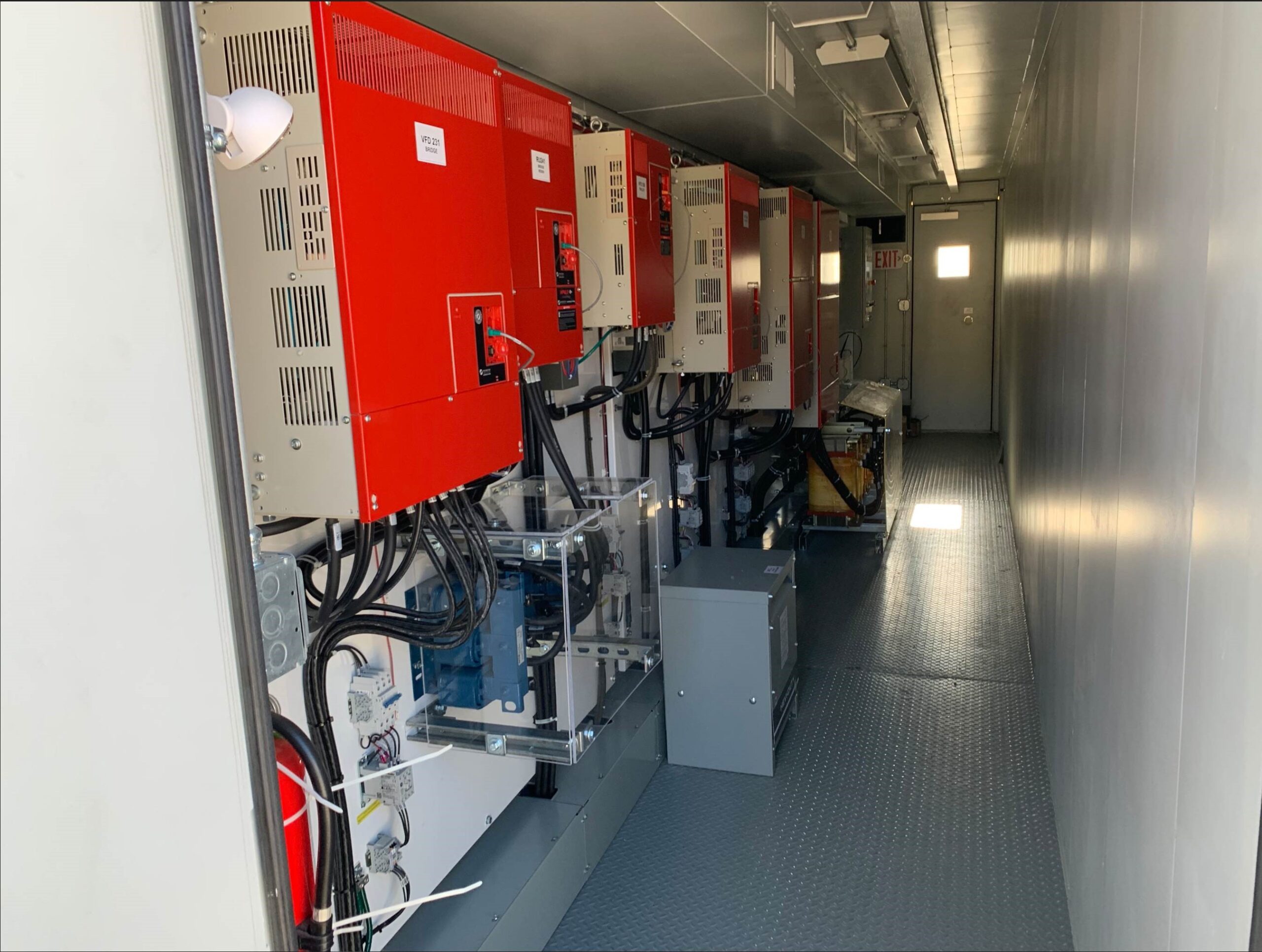
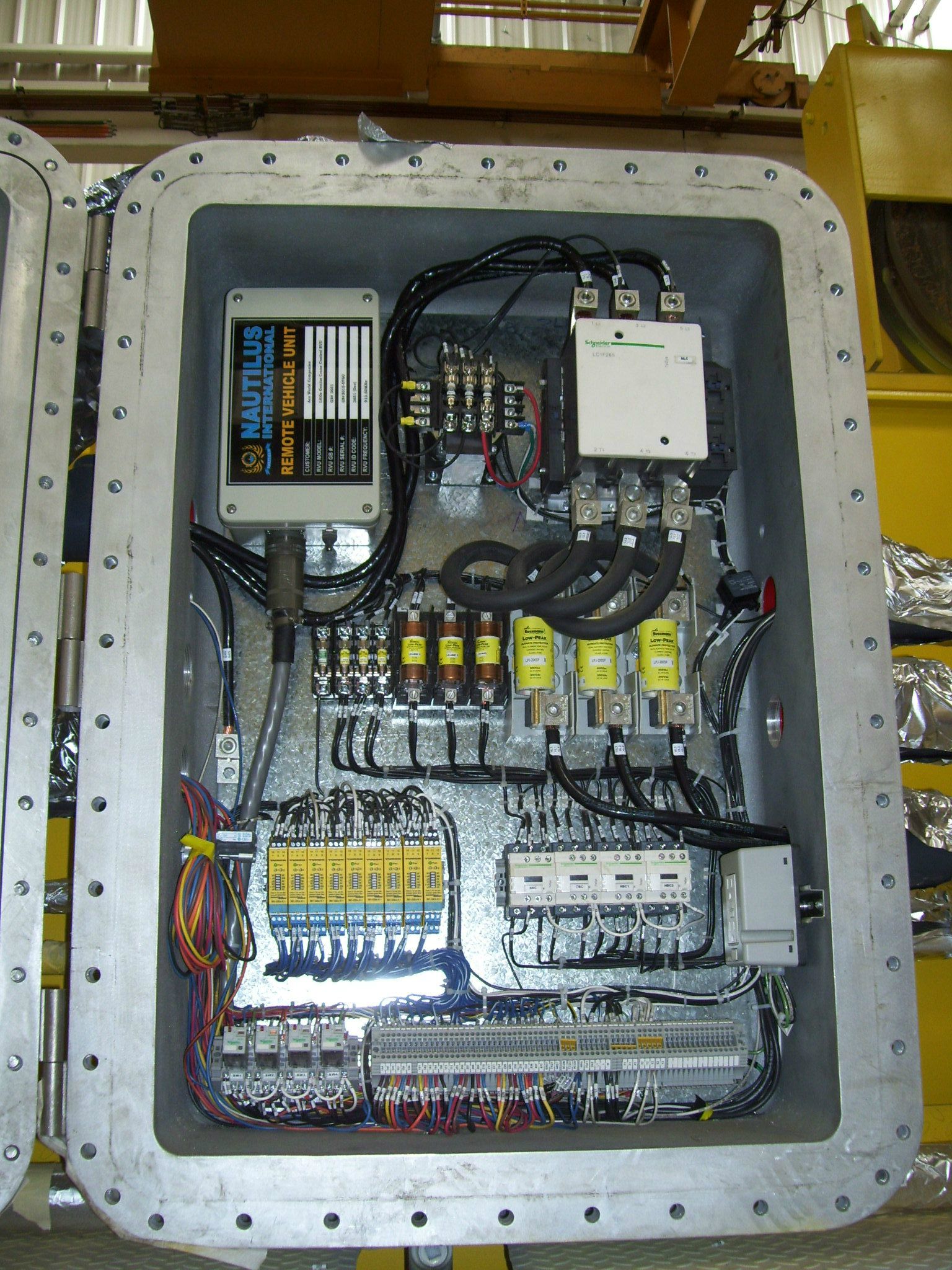
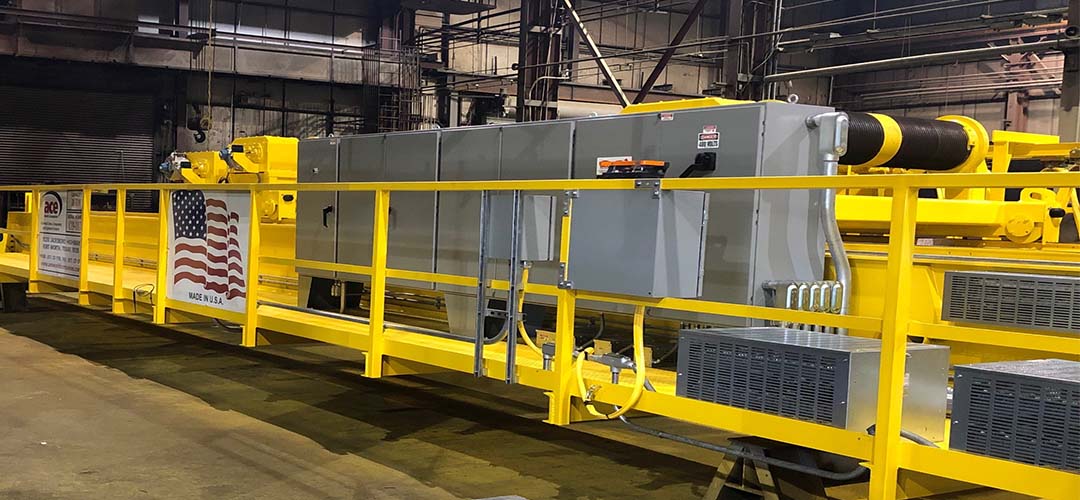
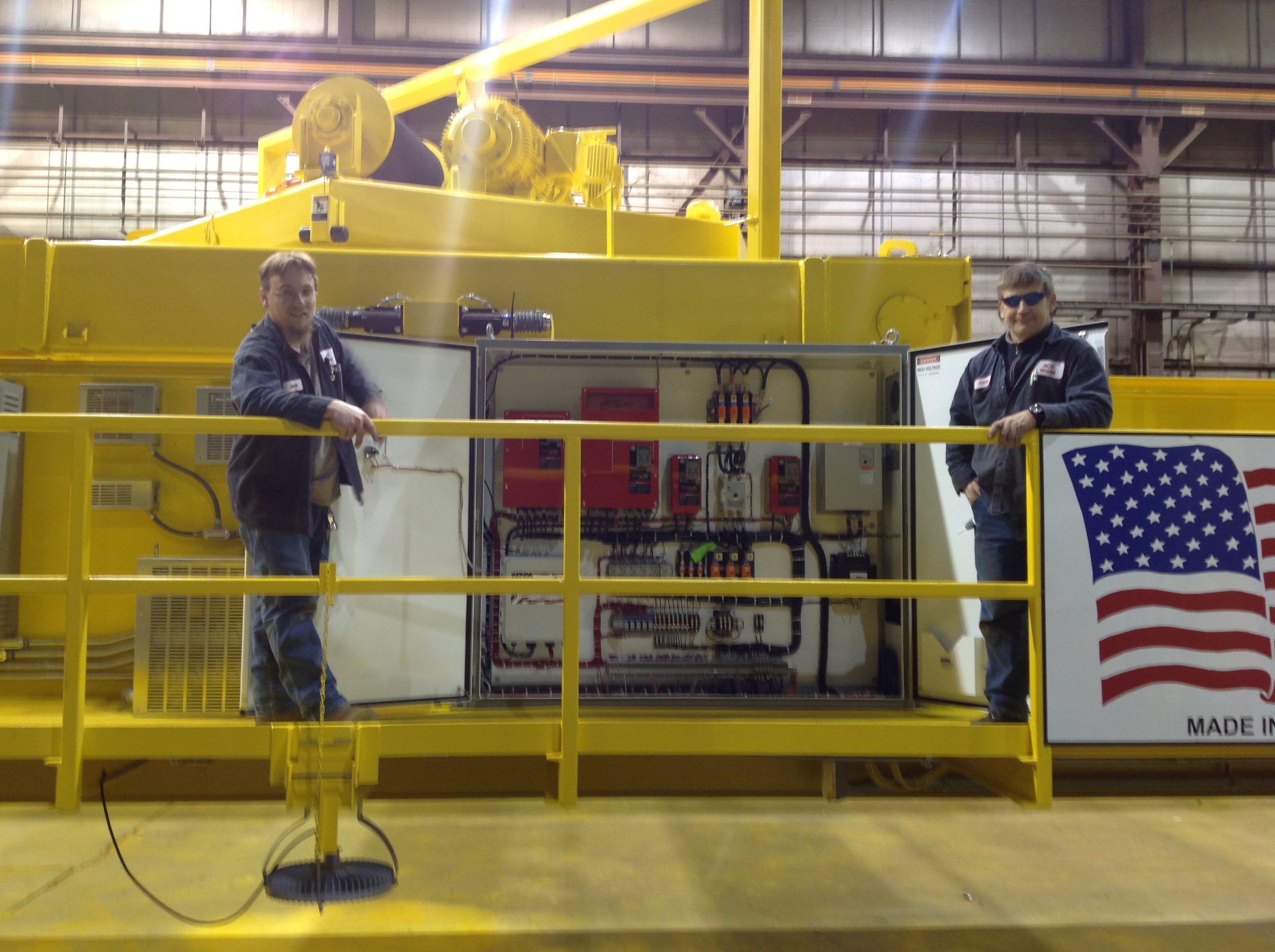
Control systems aren’t treated as add-ons. Each crane control panel is engineered as a core component of the crane itself. Ace World Companies designs and builds crane control panels using in-house electrical engineers and automation specialists. This allows each to reflect actual operating conditions rather than assumptions drawn from generic applications.
This also allows overhead crane controls to integrate cleanly with overhead cranes, rope hoists, and end trucks. Panel layouts, component selection, and control logic are all tailored to the specific motion requirements of the bridge, trolley, and hoist. Rather than forcing standard hardware into complex applications, we build systems that fit the work.
Every movement of a crane is controlled by its control system. Industrial hoist controls regulate torque, acceleration, braking, and speed, influencing how smoothly loads lift, travel, and land. Variable frequency drives play a central role in managing these transitions, reducing shock loads that accelerate wear on mechanical components.
A properly engineered material handling control panel coordinates multiple motions at once, supporting:
Over time, this level of control helps extend the usable life of crane assemblies and related equipment, especially in systems that rely on rope hoists and other high-duty components.
Rather than overwhelming operators with complexity, our overhead crane controls emphasize clarity and system insight. Control architecture is designed to support stable operation while giving maintenance teams access to meaningful performance data.
Key features commonly incorporated into crane control panels include:
This visibility allows teams to identify developing issues early, plan maintenance with intention, and reduce unplanned downtime that disrupts production flow.
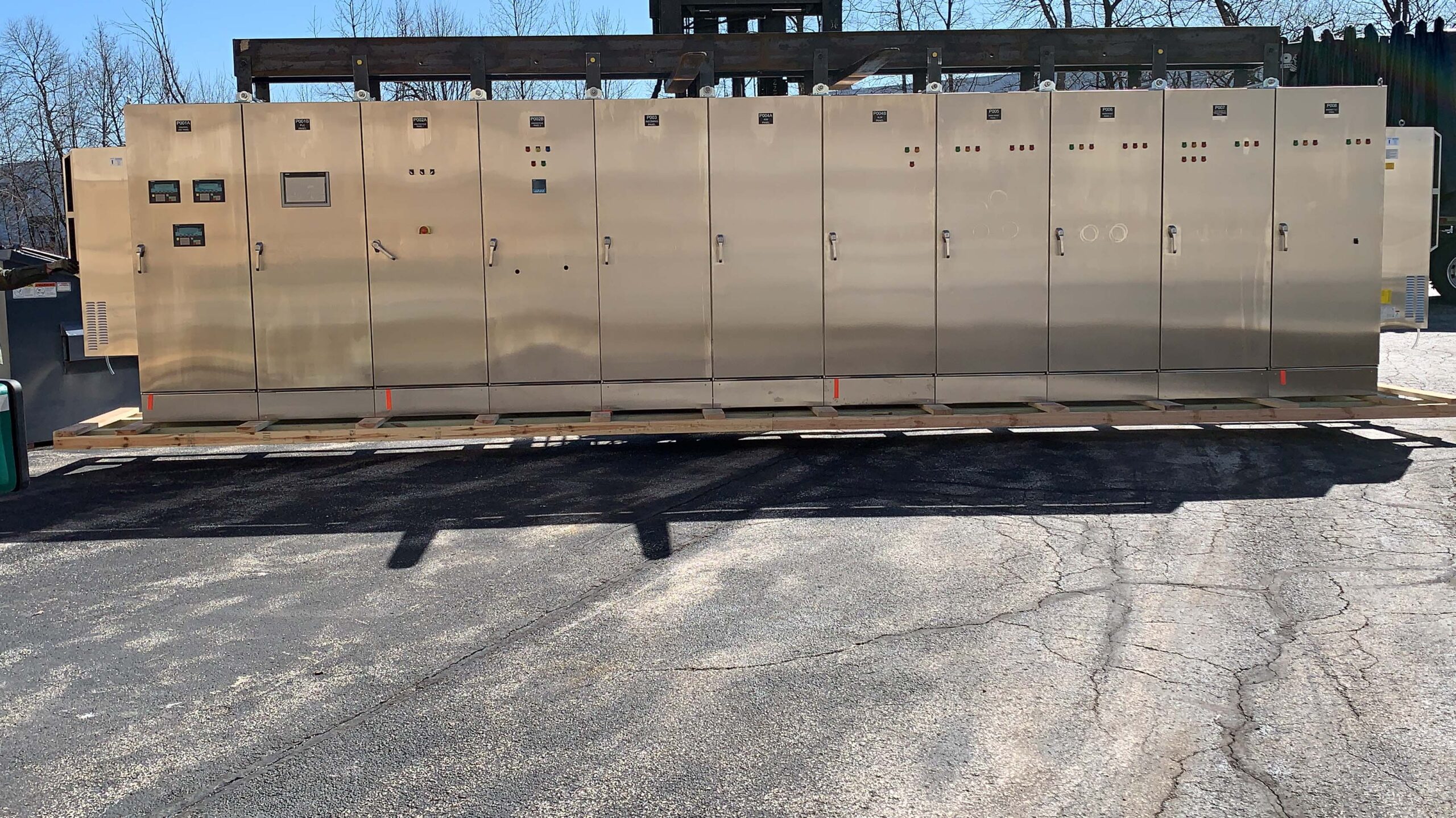
Some applications require more than standard motion control. Custom crane control panels can incorporate automation, sequencing, interlocks, and specialized safety logic to support unique workflows.
These solutions often support engineered systems where cranes interface with automated material handling machinery, specialized fixtures, or process-driven movement patterns. Control systems are adapted to the application rather than scaled versions of a generic design, ensuring alignment with operational goals and safety requirements.
Control upgrades are a common entry point for many projects. Replacing outdated drives or panels can significantly improve performance without structural changes to the crane or runway. Modern crane and hoist controls often restore usable capacity, improve positioning accuracy, and reduce mechanical stress.
We support replacement, retrofit, and modernization efforts across a wide range of equipment. This includes integrating new controls into existing overhead cranes and aligning electrical upgrades with broader industrial equipment solutions already in place.
Overhead crane controls influence every aspect of material movement. When systems are engineered to match the workload, cranes operate with greater stability, control, and predictability.
Contact Ace World Companies to request a quote, evaluate an existing system, or discuss modernization options. With custom-built crane control panels and deep electrical expertise, we help restore confidence in how your material handling equipment performs every day.
Recurring faults, inconsistent motion, limited diagnostic visibility, or difficulty sourcing compatible components often indicate that existing overhead crane controls no longer align with operating demands. In these cases, control modernization can improve performance without replacing the crane structure.
Yes. Crane control panels are commonly engineered to integrate with existing overhead cranes, rope hoists, and end trucks. This approach allows electrical upgrades while preserving mechanical investments already in place.
Control systems are often designed with expansion in mind. Automation features, additional interlocks, or integration with other industrial equipment solutions can be incorporated as operational needs evolve.