- Products
- Industries Served
- Services
- Resources
- About Us
- Blog
- Contact Us
- Products
- Industries Served
- Services
- Resources
- About Us
- Blog
- Contact Us
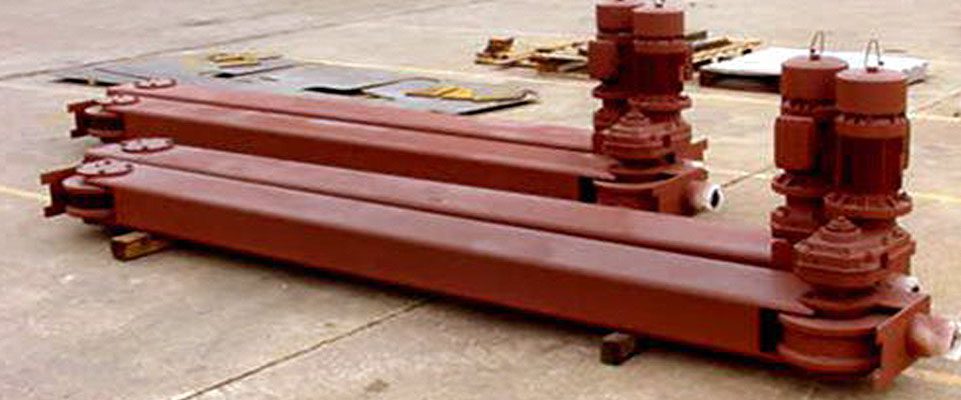
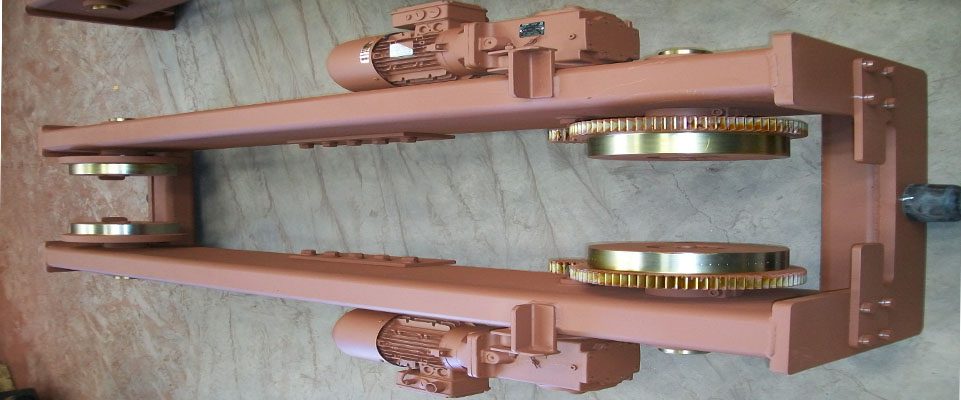
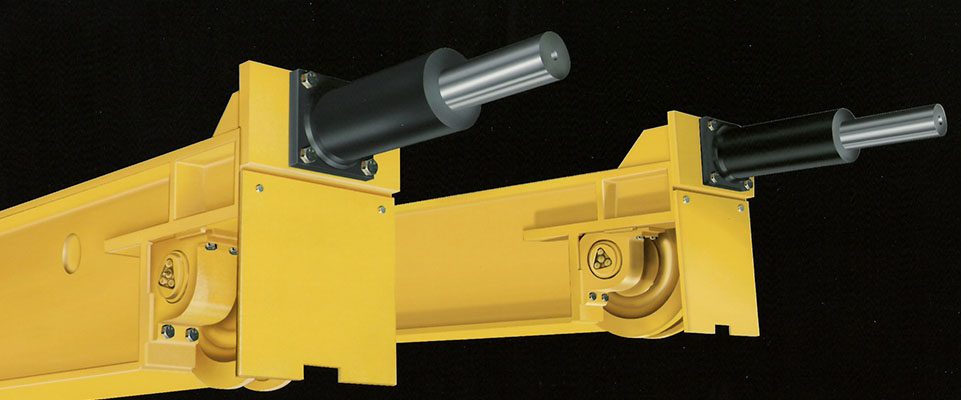
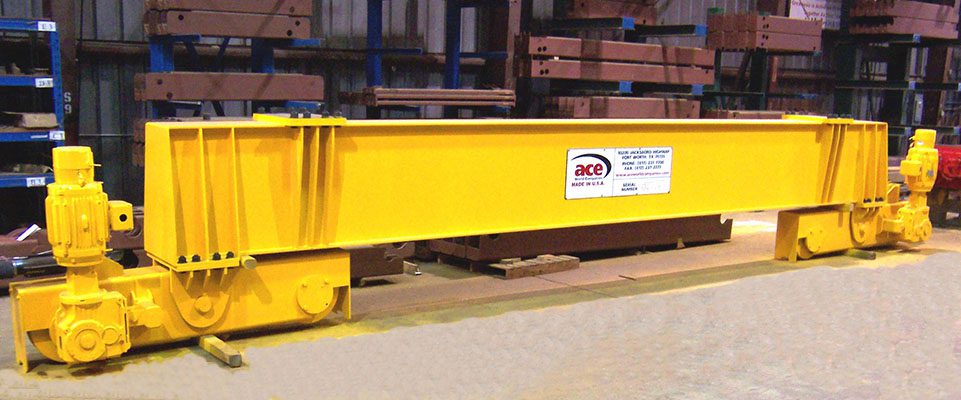
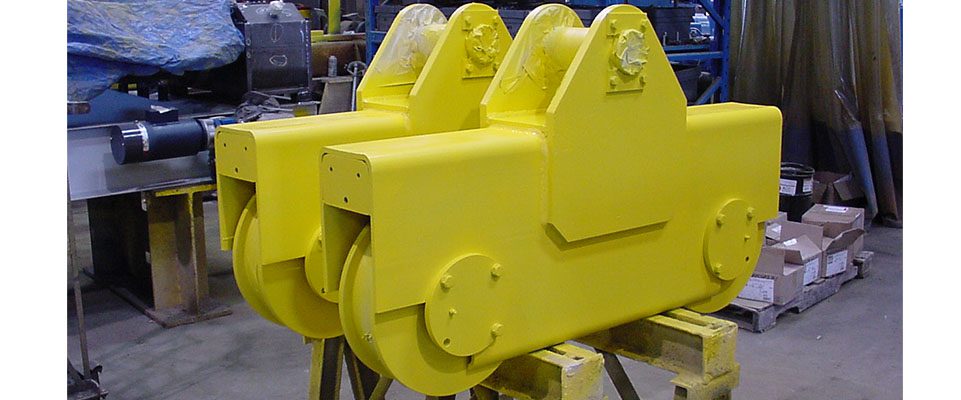
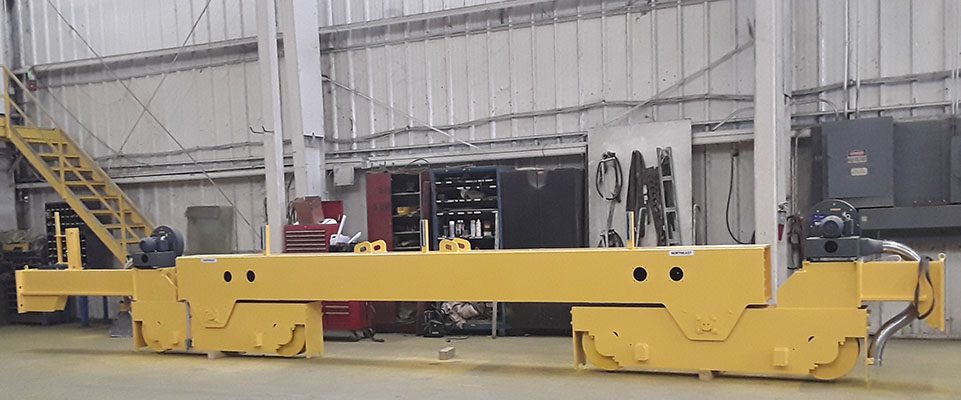
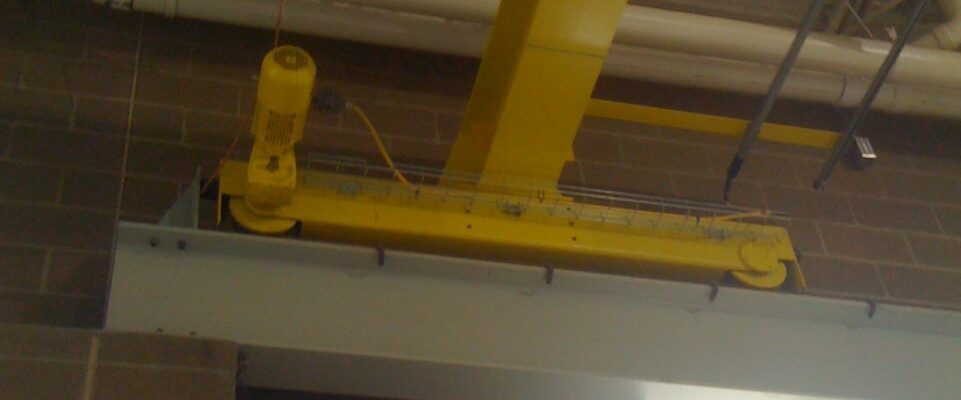
Downtime, misalignment, and premature wear can cripple an overhead crane system. The solution lies in the end trucks, the critical components that guide and support the bridge as it travels along the runway. At ACE World Companies, we engineer and manufacture overhead crane end trucks built for safety, performance, and longevity. From standard capacities to large-scale custom end trucks, our products are designed in the USA and tailored to meet the exact needs of your operation. Whether you operate a steel mill, shipyard, or manufacturing plant, our crane end trucks are engineered to keep your overhead crane system moving reliably.
ACE World Companies provides a full line of standard end trucks ranging from 3 to 50 tons. These crane end trucks deliver cost-effective reliability, making them the go-to choice for common overhead crane applications.
Key benefits of our standard bridge crane end trucks include:
These standard bridge crane end trucks are trusted across manufacturing, steel service centers, and general industrial facilities where dependable, everyday lifting is the priority.
Request a quote today and let our team match the right end truck crane to your exact requirements.

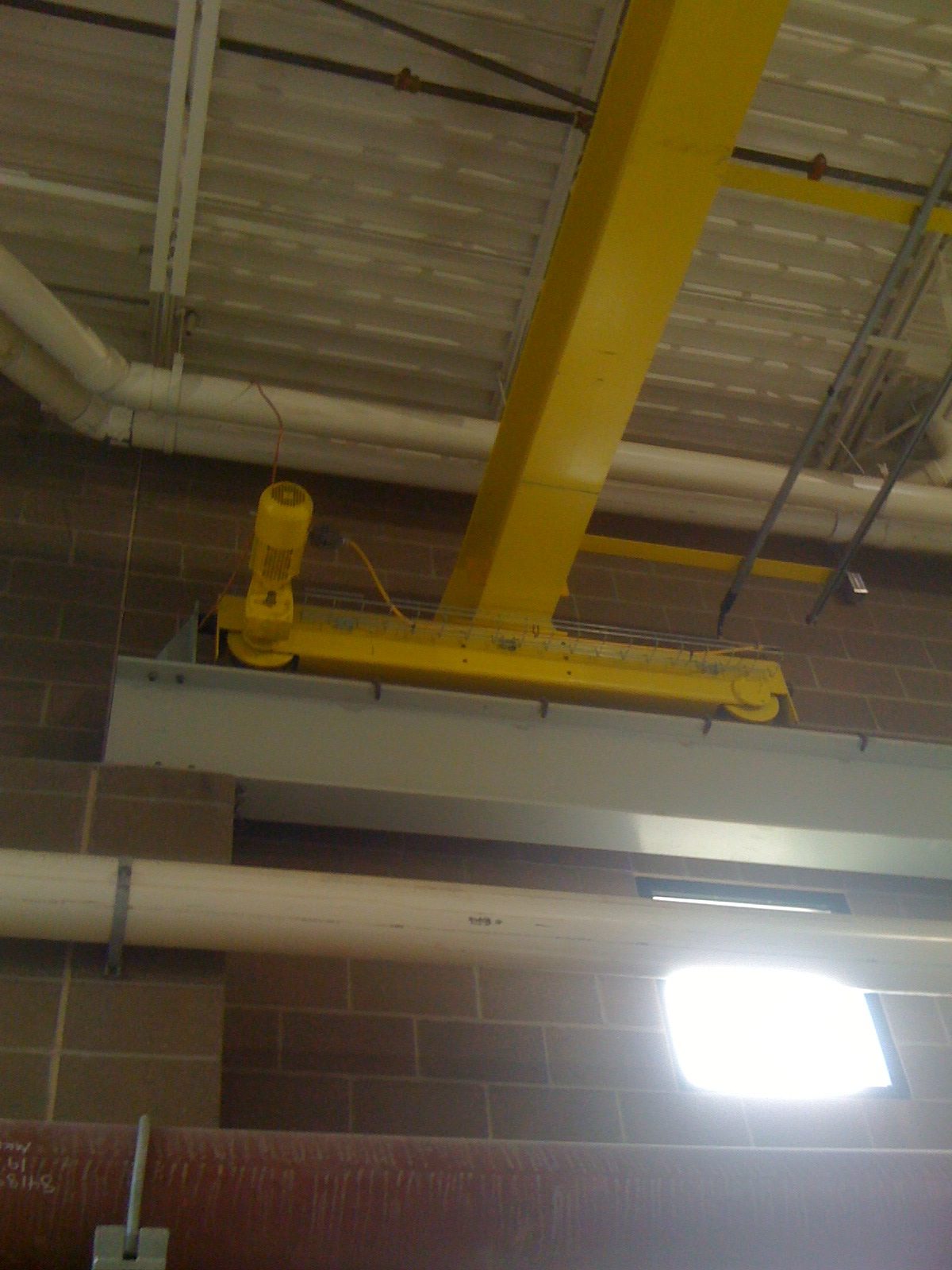
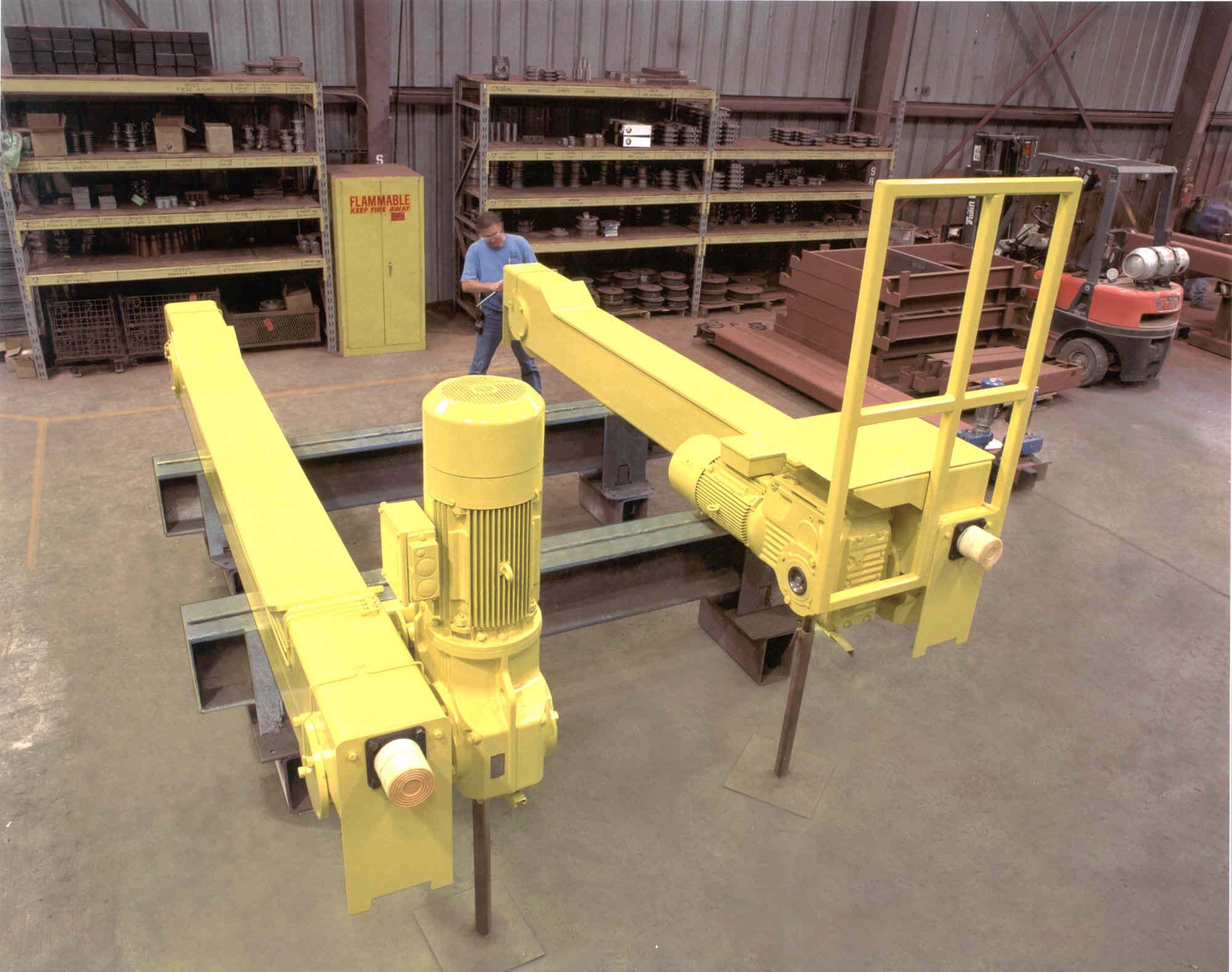

When your operation requires more than standard solutions, ACE delivers. We design and manufacture custom end trucks with capacities exceeding 1,000 tons—the largest in the industry.
Custom design features include:
This capability makes ACE a trusted end truck manufacturer for heavy-duty sectors like steel mills, mining, and power generation, where off-the-shelf components fall short.
Unlike many manufacturers that stick to a one-size-fits-all approach, ACE thrives on creating end trucks for overhead cranes that push the boundaries of performance.
Your crane’s performance depends on the right configuration. ACE offers multiple bridge crane end trucks designed to optimize different environments:
No matter the size, span, or environment, ACE has the right crane end trucks to keep your operations running efficiently.
Selecting the right partner for crane end trucks can make the difference between a reliable, efficient crane system and costly downtime. ACE World Companies is trusted worldwide for delivering end trucks for overhead cranes that are engineered to last and supported by unmatched expertise.
No two industries put the same demands on an overhead crane, and neither should the end truck underneath it. ACE World Companies engineers standard and custom end trucks for the industries that keep American manufacturing moving, including:
See our full industries we serve page for more on how ACE supports your sector.
Ready to improve your crane’s efficiency and reliability with ACE’s end trucks? Our team is here to provide expert guidance and the best fit for your operation.
Partner with ACE World Companies for standard and custom end trucks that deliver unmatched performance in overhead crane systems.
An end truck is the assembly of a frame, wheels, bearings, and axles located at each end of a crane bridge. It supports the bridge girders and lets the crane travel along the runway rail. ACE World Companies manufactures standard end trucks (3–50 tons) and custom end trucks exceeding 1,000 tons.
The main types are top running single-girder, top running double-girder, underhung (under running), and bogie end trucks. Each is engineered for a different combination of load capacity, span, and headroom. ACE World Companies designs and manufactures all four configurations in-house.
Top running end trucks ride on top of the runway rail, while underhung (under running) end trucks hang below the runway beam’s bottom flange. Underhung designs suit low-headroom facilities like workshops, while top running designs typically support heavier capacities and longer spans.
Capacity depends on the configuration and design. ACE World Companies’ standard end trucks handle 3 to 50 tons for everyday applications, while custom-engineered end trucks can exceed 1,000 tons for heavy-duty industrial, mining, and steel mill operations.
A bogie end truck uses a multi-wheel configuration instead of a single axle, spreading the load across more wheels. This reduces rail wear and increases load-bearing capacity, making it ideal for heavy-duty cranes and facilities with demanding duty cycles.